
How to Clean the Kitchen Floor by Type

You've just finished dinner in your Fairhope kitchen. There's pollen near the back door, fine sand under the table, a sticky patch beside the dishwasher, and a faint film left by last week's cleaner. A quick spray and mop may improve the appearance, but it won't necessarily remove the soil, and the wrong amount of water can create new problems for grout, laminate seams, wood, or vinyl.
To clean the kitchen floor properly, start with the material and the mess in front of you. Gulf Coast homes in Fairhope, Daphne, Spanish Fort, Gulf Shores, and Orange Beach deal with humidity, tracked-in grit, food residue, and busy household traffic in different combinations. Sweet Home Cleaning Service approaches kitchen-floor care as targeted maintenance, not a rushed cosmetic pass.
Table of Contents
Why Kitchen Floors Need More Than a Quick Mop
A kitchen floor collects more than visible crumbs. Spring pollen enters through doors and windows, beach sand travels home from Gulf Shores and Orange Beach on shoes and bags, and family meals leave grease, moisture, and fine food particles around the sink, stove, and dining area. A wet mop pushed across that mixture can spread residue instead of removing it, especially when the pad is already dirty or the cleaning solution is too concentrated.
A residential-kitchen study published in 2012 examined more than 80 surfaces across four Boulder households and found that kitchen floors were among the surfaces with the greatest bacterial diversity. The researchers described floors as reservoirs of accumulated biological material even when contamination wasn't visible, with human skin, food, faucet water, and tracked-in material contributing to the surface environment. You can review the study in the peer-reviewed kitchen microbiome research.
That finding doesn't mean every kitchen floor requires routine disinfection. It does mean a floor deserves a repeatable process that removes loose particles, adhered soil, and moisture-related residue without wearing down the flooring.
Practical rule: A floor can look clean while holding fine soil in grout, texture, seams, and edges. Appearance is only one part of the job.
Why generic mopping falls short
The familiar spray-and-mop routine fails for several reasons:
- It skips dry soil removal. Sand and grit remain under the mop and can move across the surface.
- It uses one cleaner for every material. Hardwood, laminate, tile, and vinyl have different moisture and chemical tolerances.
- It leaves excess solution behind. Sticky residue attracts more dust and can make floors feel dull or slippery.
- It treats every mess as a disinfection problem. Ordinary crumbs and tracked-in dirt usually call for effective cleaning, not stronger chemicals.
Older Eastern Shore homes may also have settled soil along baseboards, uneven transitions, or flooring installed over surfaces that don't dry quickly. Busy families often need a routine that is efficient enough for regular maintenance but detailed enough to catch the edges and traffic paths a quick mop misses.
Removing Dry Soil Before Introducing Moisture
The first pass should be dry. Taking a wet mop straight to a dusty kitchen floor turns loose particles into a damp slurry and gives grit more opportunity to move across the surface. Fine sand and grit act as abrasives when walked across a hard surface, so sweeping or vacuuming first reduces particles that can scratch or redistribute during mopping, a particularly useful habit in coastal homes where beach sand comes indoors.
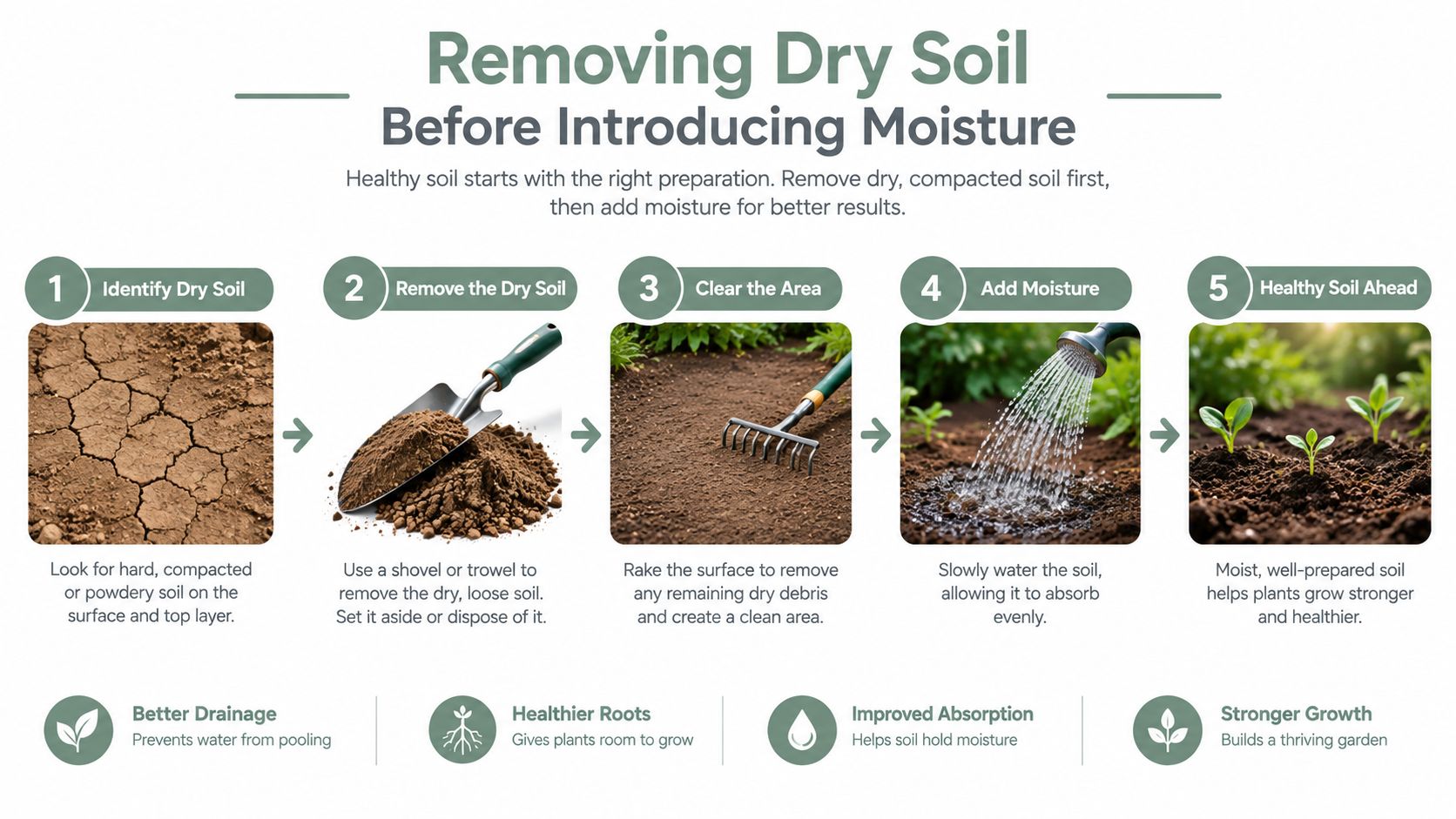
A reliable dry-cleaning sequence
Clear the working area. Move chairs, bowls, lightweight mats, and anything sitting on the floor. You don't need to move a heavy appliance for ordinary upkeep, but reach beneath movable carts and tables where crumbs collect.
Start at the edges. Use a dry microfiber dust mop or a hard-floor vacuum setting along baseboards, cabinet toes, corners, and door thresholds. A traditional broom can push fine dust into the air or into another room, while a vacuum with controlled suction collects it.
Work toward the exit. Use overlapping passes rather than random strokes. This keeps loosened grit from returning to areas you've already cleaned.
Pay attention to traffic lanes. Entry paths, the space between the sink and refrigerator, and the area beside the trash bin usually need more attention than a low-traffic corner.
Remove the collected soil. Empty the vacuum or shake out the dust mop away from the kitchen. Otherwise, the next pass can reintroduce what you just removed.
Match the tool to the floor
A soft microfiber head suits smooth tile, sealed wood, laminate, and vinyl. For textured porcelain tile or pronounced grout lines, a hard-floor vacuum attachment can lift particles more effectively than a flat dust mop. Avoid abrasive brushes on finished surfaces unless the flooring manufacturer specifically permits them.
The same principle applies during move-in/move-out cleaning and vacation rental cleaning. A guest or new occupant may track in sand immediately, but removing the accumulated dry soil first gives the wet-cleaning stage a better chance of lifting what remains.
Wet Cleaning Techniques for Every Flooring Material
Once loose debris is gone, choose the solution and moisture level for the floor, not for the room. Read the flooring manufacturer's care instructions before using a new product, especially if you can't confirm whether wood, stone, or grout is sealed.
For a broader kitchen reset, Sweet Home Cleaning Service's deep-cleaning kitchen checklist is useful because floor care works best alongside attention to cabinet edges, appliance fronts, and other places that shed soil onto the floor.
Compare the common flooring types
| Floor Type | Moisture Tolerance | Recommended Cleaner |
|---|---|---|
| Ceramic or porcelain tile | Moderate to high when properly installed and sealed, but grout and seams still need controlled moisture | A floor-safe neutral cleaner, diluted according to the label |
| Sealed hardwood | Low to moderate | A hardwood cleaner approved for the finish, applied with a barely damp microfiber mop |
| Laminate | Low | A laminate-safe cleaner with minimal moisture and no standing water |
| Vinyl or luxury vinyl plank | Moderate, but seams and adhesive areas still require care | A vinyl-safe neutral cleaner used sparingly to prevent film and streaks |
Tile and porcelain: Use enough solution to loosen adhered grease, but don't flood grout lines or leave puddles. Textured porcelain may need a microfiber pad that reaches the surface profile. For additional material-specific guidance, these tips from SouthRay Kitchen & Bath offer useful context on porcelain-tile care.
Hardwood: Spray the cleaner onto the mop rather than soaking the floor. Keep the pad barely damp, follow the grain where practical, and dry any visible moisture promptly. Steam mops and household vinegar mixtures can be poor choices when the finish or manufacturer's instructions don't allow them.
Laminate: Water is the main risk. Excess moisture can work into seams and cause swelling or edge damage. Use a well-wrung microfiber pad, clean small areas, and don't leave wet mats or puddles beside the sink.
Vinyl: Vinyl tolerates routine damp cleaning better than many wood-based floors, but too much product can leave a dull or sticky film. Rinse only when the product label and flooring instructions allow it, and use a clean pad so you aren't spreading kitchen grease.
For every material, change the pad when it becomes visibly dirty. A clean solution can't compensate for a saturated mop head that transfers soil from the entryway to the cooking area.
The Truth About Disinfectants and Sticky Residue
A stronger chemical isn't automatically a cleaner floor. Routine crumbs, tracked-in dirt, and ordinary food residue usually need dry removal followed by a compatible detergent cleaner. Disinfection is a separate step for defined contamination events, and it only works when the surface is prepared correctly.
A study comparing floor-cleaning systems found that microfiber mops with detergent reduced contamination effectively, while adding disinfectant didn't improve microbial removal for that microfiber system. Disinfectant offered a larger benefit with cotton string mops, which reinforces a practical point: mop hygiene, soil removal, and technique can matter as much as chemical strength.
Commercial cleaning products can also leave behind more than fragrance. Research summarized by the American Chemical Society explains cleaning-product surface films, including films containing semivolatile organic compounds and surfactants that may become airborne or affect indoor air quality. The sensible response isn't to stop cleaning. It's to measure concentrates, use the minimum effective amount, ventilate, avoid overspray, and inspect for sticky residue.
Use a simple decision process
- Routine food crumbs and tracked-in soil: Remove dry debris, then use a floor-safe detergent cleaner.
- Raw-meat spill: Remove visible soil with detergent and water first, then use an EPA-registered disinfectant if the flooring and product instructions permit.
- Illness-related contamination, pet accident, or bodily-fluid exposure: Clean visible matter first, then disinfect according to the label.
- Persistent stickiness after cleaning: Stop adding product. Use a compatible cleaning method to remove residue, and check whether the solution has been over-concentrated.
EPA guidance defines contact time as the period a treated surface must remain visibly wet. A product label may specify a 10-minute contact time, and if the floor dries after five minutes, the disinfectant must be reapplied to complete the required wet period. Always follow the exact label rather than assuming a quick spray-and-wipe is enough. Never mix bleach with ammonia, acids, or other cleaners, and use the ventilation and protective equipment listed on the product label.
Wood-floor owners dealing with pet-related accidents can also consult this practical resource on disinfecting wood floors for pet owners, while still treating the flooring manufacturer's instructions as the final authority.
Managing Gulf Coast Humidity and Seasonal Messes
Fairhope, Daphne, and Spanish Fort homes face a different drying environment from a dry inland home. Humidity can slow evaporation, leave dampness around mats and appliances, and give recurring moisture problems more time to affect grout, wood edges, or subfloor materials. A floor that stays wet isn't necessarily moldy, but persistent dampness deserves investigation rather than repeated mopping.
The EPA recommends keeping indoor relative humidity below 60%, ideally between 30% and 50%, to help prevent mold growth. You can review that guidance on indoor humidity and mold prevention. Use a humidity monitor if the room often feels damp, run suitable ventilation while cleaning, and dry spills near sinks, dishwashers, refrigerators, and exterior doors promptly.
Adapt the routine to local conditions
Spring pollen calls for careful dry collection rather than aggressive sweeping that redistributes fine particles. Coastal sand calls for frequent attention to entry paths, especially in Gulf Shores and Orange Beach homes where towels, bags, shoes, and pet paws can carry grit indoors. Place washable mats where they won't trap moisture against the floor, and clean beneath them rather than assuming the covered area is protected.
Hurricane preparation and cleanup require a different standard. The official Atlantic hurricane season runs from June 1 through November 30, according to NOAA's tropical cyclone climatology, although tropical activity can occur outside those dates. Before a storm, a deep cleaning can remove settled soil from corners and baseboards. After a storm, remove loose grit before wet mopping, deal with standing water promptly, and check for moisture intrusion before treating the room as normal.
Humidity check: Wiping a damp floor doesn't solve a leaking dishwasher, condensation problem, or recurring water intrusion. Find the source before the same patch keeps returning.
For beach-area properties, vacation rental cleaning schedules may need flexibility when storms interrupt access or guest turnover. Homeowners can also use Gulf Shores cleaning guidance when planning recurring upkeep around sand, rain, and rental traffic.
Maintaining Your Floors and Knowing When to Call Pros
Good floor care is less about aggressive scrubbing and more about repeating the right small actions. Dry soil removal protects the surface, controlled moisture protects seams and finishes, and measured product use reduces the residue that makes a floor dull or tacky.
Keep a practical inspection list
- Look at the finish: Dulling, cloudy patches, or a sticky feel may indicate residue or wear rather than a need for stronger chemicals.
- Check grout and edges: Darkened grout, crumbling joints, or damp corners need closer attention than the open center of the floor.
- Watch transition areas: Doorways and appliance edges collect sand, water, and food particles.
- Test recurring moisture: A damp spot that returns after cleaning may point to a leak or condensation issue.
- Protect the surface: Use clean pads, avoid abrasive tools, and follow the manufacturer's product and moisture limits.
A professional cleaner is useful when buildup has settled into textured tile, grout, corners, or areas hidden beneath movable furnishings. Move-in/move-out cleaning can reset a kitchen between occupants, while deep cleaning addresses neglected accumulation. Standard house cleaning and recurring maid service, scheduled weekly, biweekly, or monthly, help families in Fairhope and the Eastern Shore avoid letting dry soil and residue become a larger project.
Water intrusion is a different matter from ordinary floor soil. If a storm, appliance failure, or plumbing issue has affected the subfloor or cabinetry, cleaning alone may not be enough. A resource on water damage cleanup in Marion County explains why moisture-related incidents require prompt assessment, while routine cleaners should focus on surfaces that are structurally sound.
Sweet Home Cleaning Service provides standard house cleaning, deep cleaning, move-in/move-out cleaning, and vacation rental cleaning for homes and rentals across Fairhope, Daphne, Spanish Fort, Gulf Shores, and Orange Beach. For households that want consistent upkeep without giving up their weekends, recurring house cleaning services can keep the kitchen floor on a manageable schedule.
Fairhope and surrounding Eastern Shore and Gulf Coast homeowners can ask Sweet Home Cleaning Service for standard or deep cleaning that includes careful kitchen-floor maintenance matched to the flooring material, along with move-in/move-out and vacation rental cleaning when timing matters. Visit Sweet Home Cleaning Service to request a free quote and give your family more time away from sand, residue, and weekend scrubbing.

Let us handle the cleaning. Enjoy your home.


Sweet Home Cleaning Service
19940 State HWY 181, Suite E Fairhope, AL 36532
Phone: (251) 586-4081
sales@sweethomecleaningservice.com