Move in Cleaning Checklist: 10 Room-by-Room Steps

Boxes are stacked in the new Fairhope home, the moving truck is close, and you've just realized the refrigerator shelves, bathroom grout, and closet floors still need attention. Cleaning after furniture arrives means moving boxes twice and working around the very things you're trying to settle in. A sensible move-in cleaning checklist helps you finish the important jobs while rooms are still empty.
The order matters in Baldwin County. Start with the kitchen and bathrooms, where old grease and moisture residue can linger. Work from high surfaces down, then finish floors and entryways, where beach sand, spring pollen, and moving-day dirt tend to collect. In Fairhope, Daphne, Spanish Fort, Gulf Shores, and Orange Beach, it's also worth looking for dampness and mildew before unpacking.
Sweet Home Cleaning Service, based in Fairhope, provides move-in/move-out cleaning for homes across the Eastern Shore and Gulf Coast. Use the room-by-room steps below to prepare the spaces you'll need first, spot issues that require repairs rather than cleaning, and leave a final pass for the places movers are most likely to dirty.
Table of Contents
1. Kitchen: Appliances, Cabinets, and Surfaces
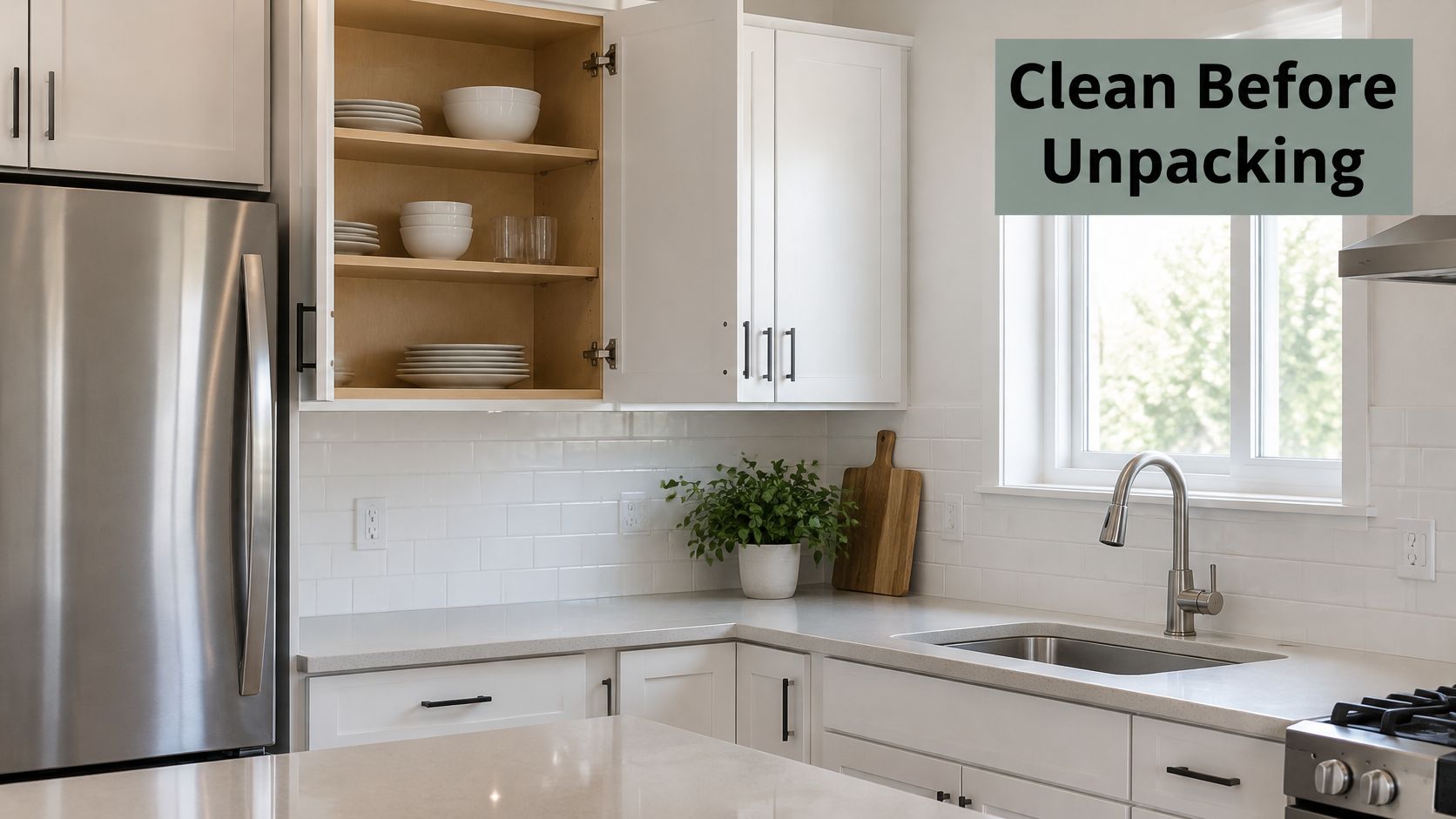
Begin in the kitchen. You'll use it early, and residue left by previous occupants can hide inside drawers, around appliance seals, and under the edges of shelves. Empty storage spaces before wiping them, including cabinet lips, drawer corners, and the undersides where crumbs and greasy dust collect. In an older Eastern Shore home, check the cabinets nearest the stove especially carefully.
Clean the refrigerator and freezer interiors, then wipe their doors and handles. For the oven, address the racks, door glass, and seal according to the appliance manufacturer's instructions. A plastic scraper is a better choice than metal for stuck-on residue on oven glass. Wipe the microwave inside and out, clean the range hood, and wash or replace its filter before cooking.
Practical rule: Clean food-storage and food-preparation areas before unpacking cookware or groceries.
Degrease the backsplash, then clean countertops and the sink with a surface-appropriate, non-toxic, eco-conscious product. Run the dishwasher's cleaning cycle and check its filter according to the appliance instructions. A Spanish Fort renter can also photograph appliance interiors before and after cleaning to keep a clear move-in record.
See the kitchen deep-cleaning checklist for more detail on cabinets, appliances, and cooking surfaces. Sweet Home Cleaning Service includes kitchen cleaning in move-in/move-out service across Fairhope, Daphne, Spanish Fort, Gulf Shores, and Orange Beach, so storage and prep areas can be ready before the first box is opened.
2. Bathrooms: Grout, Fixtures, Exhaust Fans, and Mildew Checks
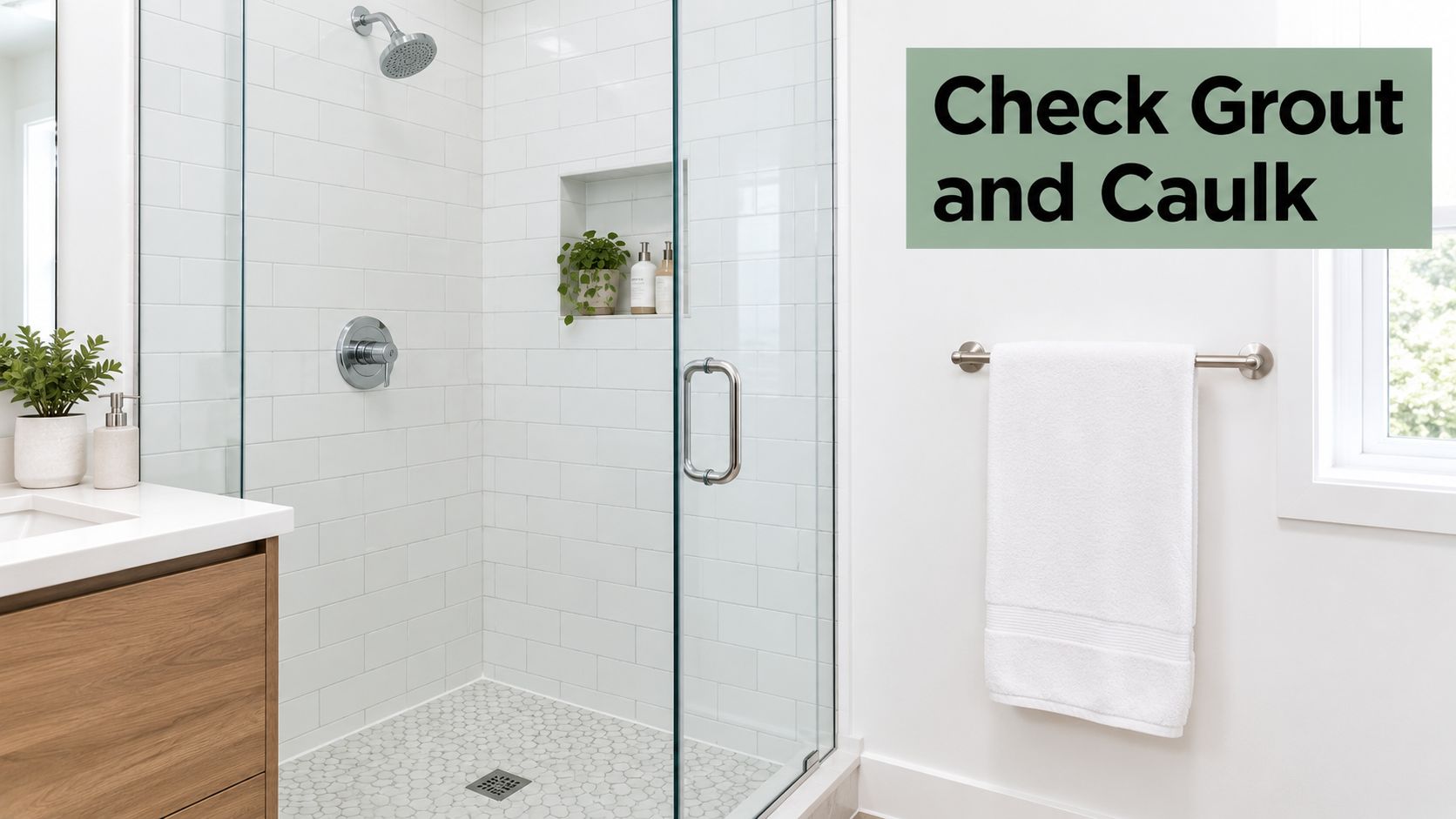
Before the first shower, check the spots Gulf Coast humidity tends to expose: grout lines, caulk, corners, and the areas behind the toilet and vanity. In Fairhope, Daphne, Spanish Fort, Gulf Shores, and Orange Beach, older bathrooms may also hold soap residue or water stains from previous use. Surface grime can be cleaned. A leak, soft material, or failed seal needs attention from the owner or a repair professional.
Clean the toilet bowl, seat, exterior, base, supply line, and tank lid. Scrub the tub or shower, glass doors, grout, and corners, then rinse and dry them to limit lingering moisture. Wipe the vanity top and empty drawers and cabinets before toiletries go in. Clear visible buildup from the shower head and drain, and report slow drainage or other plumbing concerns.
Check ventilation and condition
Remove dust from the exhaust fan cover and check that airflow is not obstructed. Run the fan during cleaning, following the manufacturer's directions. If an area stays damp, or you find discolored grout, cracked caulk, or a water stain, photograph it and tell the owner or property manager. A scrub can remove surface residue; it cannot fix the moisture source.
For routine cleaning, wash visibly dirty surfaces with soap or detergent and water. Disinfecting every surface is not generally needed. CDC guidance recommends disinfection in specific circumstances, such as when someone is ill or at increased risk. If you disinfect a bathroom surface, choose a product suited to the material and follow the label's contact time. CDC guidance on cleaning and disinfecting at home explains when disinfection may be appropriate.
A caulk gap found during a Daphne move-in walkthrough is easier to document before the first shower. Note its location and arrange repair rather than relying on another scrub.
3. Bedrooms and Closets: Surfaces, Shelves, and Storage
Closets are easy to overlook because an empty shelf can appear clean from the doorway. Get close before you move in: dust the shelf edges, closet rod, corners, and floor, and check for debris or signs of dampness. In a Spanish Fort home, cleaning the shelves before hanging clothes means you won't have to take everything down to remove settled dust later.
Work from the top down. Wipe the tops of doors, window ledges, shelves, and baseboards, then clean closet interiors and vacuum or wipe their floors. Dust can fall as you work, so leave the final floor pass until the higher surfaces are done. Clean switch plates, outlet covers, and door handles with a suitable product. Don't spray cleaner directly onto electrical fittings.
Check storage before filling it
Test closet doors and tracks, and note anything that sticks, won't latch, or appears damaged. If you're renting, take dated photos of existing marks and report concerns through the agreed move-in process. That record is separate from cleaning confirmation: a shelf can be clean while still being damaged or loose.
Empty storage is useful access. Use it to clean, dry, and inspect shelves before clothing and bins go in.
Once surfaces are dry, shelf liner can help keep minor spills from reaching the shelf itself. Avoid covering a damp or musty surface; identify and report the moisture concern first. If you're setting up a guest room, guest room wall art from Jessie's Home can be considered after the room is clean and the walls are ready.
A Gulf Shores renter can photograph closet tracks and handles during the walkthrough, then share any condition concerns with the property manager before unpacking.
4. Living Areas: Built-Ins, Surfaces, and Furniture-Ready Spaces
In a living room or den, dust travels downward. Start at ceiling corners and crown molding, then work across shelves, mantels, built-in cabinets, and other horizontal surfaces. Older homes around Fairhope may have trim and built-ins with ledges that collect dust out of sight. Cleaning them before furniture arrives avoids chasing the same debris after the room is arranged.
Empty built-in shelves and drawers before wiping them. Clean window ledges, blinds, and curtain rods, and vacuum loose dust from vent covers and air returns. If there's a fireplace, clean the accessible hearth and surrounding surfaces, but don't treat a surface clean as an inspection of the chimney. Arrange a qualified inspection before using a fireplace in a home that's new to you.
Prepare the room, not just the visible surfaces
Check cabinet doors and hinges as you clean. Record defects rather than attempting repairs. A buyer in Daphne, for example, can photograph a damaged hinge or soot-marked surface during the walkthrough so the condition is clear before belongings are moved in.
EPA guidance supports a high-to-low cleaning sequence to control settled particles. Damp dusting helps keep settled dust from becoming airborne, and frequent cleaning and ventilation can reduce indoor dust and other pollutants. For the living room, that means dusting high ledges first, wiping surfaces with a damp cloth, and vacuuming after the dusting rather than sweeping debris back into the air. EPA's guidance on indoor particulate matter also notes that vacuuming can temporarily raise airborne dust, so HEPA-filtered equipment or equipment that exhausts outdoors can be a useful specification.
For more surface-by-surface ideas, use this guide to cleaning the living room.
5. Floors and Baseboards: Hardwood, Tile, Carpet, and Sand Removal
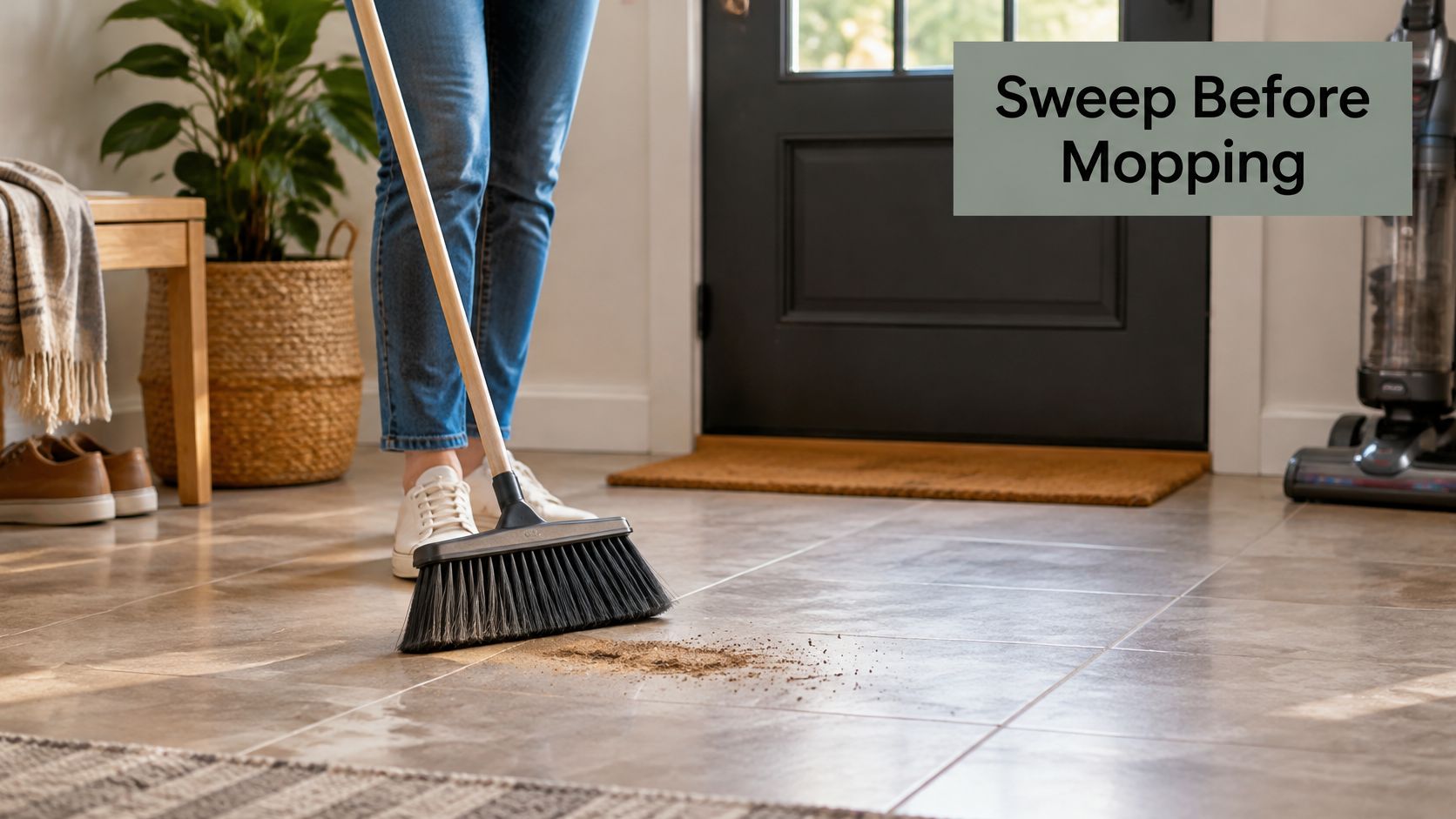
Save floors until dusty surfaces and fixtures are finished. In Gulf Shores and Orange Beach, sand tracked inside can lodge along thresholds and baseboards; spring pollen can settle in corners throughout the Eastern Shore. Vacuum or sweep first, including corners, floor edges, and areas around vents. Removing grit before mopping matters because dragging sand across a floor can scratch its finish.
Choose a method that suits the floor. Use a damp mop, not a soaking one, on hardwood or laminate, and follow the flooring manufacturer's care instructions. Tile may need attention along grout lines. Check for loose tiles, cracked grout, lifting planks, or other damage as you clean, and document it rather than treating it as dirt.
Before mopping: Remove dry grit first. A wet mop can push it around and leave residue behind.
Wipe baseboards, door trim, and thresholds, then make a final vacuum or mop pass. Clean beneath appliance kick plates only if the area is safely accessible; don't force heavy appliances out of place. A Fairhope family moving into a home with hardwood near the entry might find sand caught in the grooves. A careful dry pass before damp cleaning helps avoid rubbing that grit over the finish.
EPA recommends frequent vacuuming of carpets and furniture, weekly or more often, and suggests considering a HEPA-filtered vacuum. That advice supports a careful move-in floor sequence, especially when carpets or upholstery hold settled dust. Use a vacuum suited to the flooring and finish with ventilation where practical. More guidance on cleaning kitchen floors can help with a room where crumbs and tracked-in dirt tend to collect.
6. Windows, Sills, Tracks, and Screens: Pollen and Humidity Control
Windows need attention beyond the glass. In spring, pollen can settle on sills and pack into tracks around Baldwin County homes. Vacuum tracks with a crevice attachment before wiping them with a damp cloth, so grit doesn't scratch the frame or get pushed into the corners. Clean accessible interior glass and frames, then gently brush or wash screens and let them dry before reinstalling.
Sliding doors deserve a close look in beach-area homes. A Gulf Shores property manager might find sand packed into a door track during a turnover, making the door harder to open. Removing loose debris and wiping the track can help, but report bent tracks, failed locks, or cracked glass for repair.
Look for signs of moisture
Check the bottom of frames for condensation, staining, or visible mildew. A window clean won't fix poor ventilation, a failed seal, or a water problem. Note the location and let the owner or manager know if anything looks persistent or damaged.
For coastal homes, checking indoor moisture is part of a careful handover. EPA recommends keeping indoor relative humidity below 60%, with an ideal target of 30% to 50%. A small humidity meter can help residents check conditions in areas such as closets, bathrooms, and laundry rooms. EPA's information on biological contaminants and indoor air quality also emphasizes keeping areas clean and dry. If you find a damp odor or suspect hidden mold, report it and address the moisture source instead of masking the smell with fragrance.
Open windows briefly after cleaning only when outdoor conditions are suitable. In humid or pollen-heavy weather, ventilation may be better managed through the home's operating system or another appropriate method.
7. Doors, Handles, Switches, and Outlets: High-Touch Surfaces
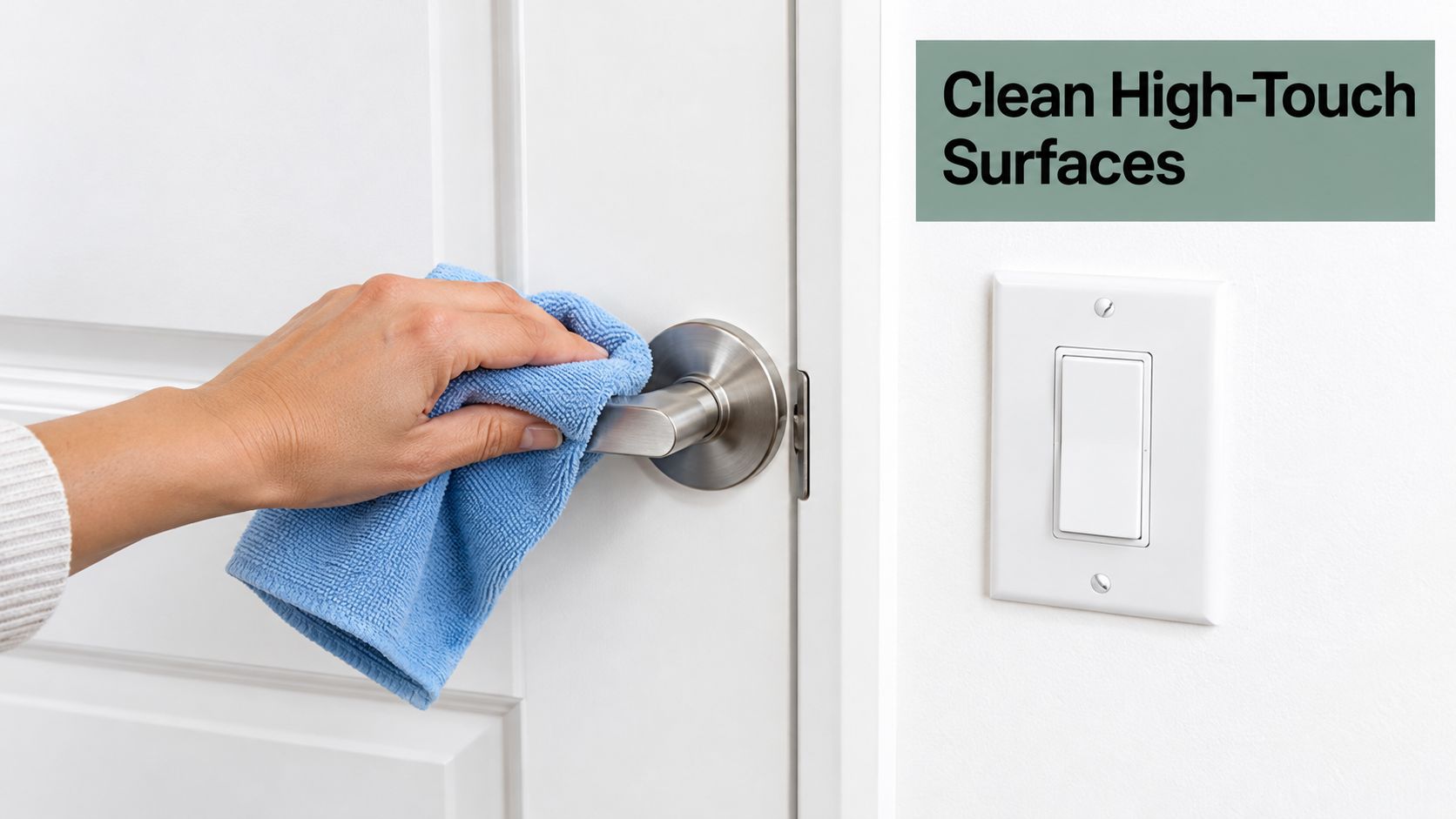
After the movers have carried boxes through a Fairhope home, door handles and switch plates may need one last wipe. Clean handles, cabinet pulls, switches, and other frequently touched fixtures with a product suited to each surface. Dampen a cloth to wipe outlet covers, and never spray cleaner directly onto them. Dust the tops and edges of doors and frames, where residue from older homes can collect.
Clean away visible soil before disinfecting. If disinfection suits the household and surface, follow the product label's contact time. Common touchpoints include doorknobs, switches, handles, faucets, and sinks.
Clean and inspect separately
Test doors, latches, locks, and deadbolts during the handover. A family can clean switch plates before the first evening and check that exterior doors latch securely. Report a loose lock or a door that won't secure properly to the owner or a qualified repair professional.
Record completed cleaning separately from defects. A wiped handle does not confirm that its lock works. Keep a clean cloth and suitable surface cleaner handy for a final touch-up after movers finish handling doors and switches.
Sweet Home Cleaning Service includes high-touch points in move-in and move-out cleaning. Repairs remain the responsibility of the owner or manager.
8. Laundry Room and Utility Areas: Dryer Vents, Washers, and Water Heater Closets
Before the first load of laundry, inspect the washer, dryer, and the floor around them. Wipe the washer drum, gasket, and detergent drawer, then run its cleaning cycle if the manufacturer provides one. Clean the lint trap and check the dryer vent opening for visible lint. If the vent hose appears disconnected, crushed, or clogged, ask a qualified person to address it rather than taking apart equipment you're not familiar with.
Wipe shelves, cabinet fronts, and the utility sink. Check beneath the sink and around the water heater for visible drips, staining, or debris. Don't touch pipes, wiring, or equipment that appears unsafe. Record a concern and notify the owner or property manager.
Keep the boundary clear: Cleaning staff can document a condition. Maintenance should assess and repair equipment or suspected hazards.
For a Daphne homeowner, finding water beneath the utility sink is a reason to pause, photograph the area, and arrange an appropriate inspection before storing supplies nearby. In a Gulf Shores vacation rental, wiping the washer gasket during turnover is a simple cleaning task, but any persistent odor or equipment fault should be reported rather than concealed.
EPA recommends ventilation and source control as part of reducing indoor pollutants. In a laundry area, that means cleaning residue, following appliance instructions, and ensuring the room can ventilate appropriately. Don't assume that a freshly wiped appliance is ready to operate if you've noticed a leak, damaged cord, or unusual condition. Confirm basic operation only when it's safe and permitted.
9. Entryways, Garage, and Exterior Access: Sand, Dirt, and Outdoor Spaces
Leave the entryway until late in the cleaning, because it's likely to stay busy while boxes come inside. Sweep or vacuum the floor, then wipe the threshold, door mat, and step edges. In Gulf Shores and Orange Beach, a mat at the entry can help catch beach sand before it reaches interior flooring. A second mat inside gives movers and family members a place to wipe their shoes.
In the garage, sweep before organizing shelves or hooks. Clean accessible surfaces and check the garage door tracks and seals visually. A Spanish Fort buyer might spot daylight through a gap in the door seal and add it to the repair list. Don't adjust the door mechanism yourself; it may require qualified service.
Keep cleaning evidence separate from repair notes
Check exterior access points for dirt, debris, and visible gaps. Note damaged seals, pest evidence, or moisture concerns for the owner or property manager. If you hose down exterior steps or walkways, make sure water doesn't run into the home or leave a wet path that movers will track indoors.
A Fairhope family can reduce tracked-in grit by setting a defined route from the moving truck and placing mats at the main entrance. For a vacation rental in Orange Beach, a turnover after a storm calls for more than the usual sweep. Check for dampness and water staining, and make sure surfaces are dry before linens or furniture go back in.
If a tropical system has affected the area, distinguish ordinary dirt from water intrusion. NOAA identifies the Atlantic hurricane-season window as June 1 through November 30, making that period a useful time to add moisture and damage checks to a Gulf Coast turnover routine. See NOAA's hurricane-season announcement for the official dates.
10. Light Fixtures, Ceiling Fans, Vents, and HVAC Filters
Finish overhead dust and ventilation details before your final floor pass. Turn off power before cleaning a fan or fixture, and use a stable, appropriate method to reach it. Wipe fan blades and accessible light covers with a damp cloth, then dry them. Don't climb onto counters or furniture to reach a high fixture.
Vacuum loose dust from vent covers and return grilles, then wipe them. Check the HVAC filter's condition and follow the equipment manufacturer's guidance for inspection or replacement. If you can't identify the correct filter or access it safely, ask the owner, manager, or HVAC professional for help. Note any visible damage or signs of moisture near vents rather than treating it as ordinary dust.
Reduce dust without overdoing duct work
EPA recommends frequent cleaning and ventilation to reduce indoor dust and other pollutants, including damp dusting and consideration of HEPA-filtered vacuums. It also cautions that routine air-duct cleaning hasn't been shown to prevent health problems and recommends duct cleaning only when needed. Focus first on source removal, accessible surfaces, ventilation, and filtration rather than assuming ducts need cleaning just because you've moved in.
After a storm or water intrusion, don't turn on an HVAC system that may have been exposed to water or mold. Arrange an appropriate assessment. For ordinary dust from a vacant home, clean accessible vents, check the filter, and document what you find.
A Daphne homeowner who discovers a visibly dirty filter can note its size and ask the responsible person to replace it according to the system instructions. Sweet Home Cleaning Service includes fixture and vent cleaning in move-in/move-out cleaning, while HVAC repairs and system assessments remain work for qualified professionals.
10-Point Move-In Cleaning Checklist Comparison
| Cleaning area | 🔄 Complexity and resource requirements | ⚡ Relative effort | 📊 Expected outcomes | ⭐ Key advantages and ideal use cases |
|---|---|---|---|---|
| Kitchen: appliances, cabinets, and surfaces | High; degreaser, cloths, appliance-safe tools, and care when removing parts | Slow; oven, hood, and appliance interiors take extra time | Removes food residue, grease, and odors; leaves storage ready for unpacking | 💡 Best before unpacking; reaches hidden buildup that quick cleaning can miss |
| Bathrooms: grout, fixtures, exhaust fans, and mildew checks | Medium to high; grout brush and mildew-safe cleaner; repairs may be needed for damaged caulk | Moderate; heavy mildew can require specialist treatment | Cleans fixtures and grout; helps identify moisture issues early | ⭐ Useful in humid homes; supports fresher surfaces and better moisture control |
| Bedrooms and closets: surfaces, shelves, and storage | Low to medium; cloths, vacuum, and possibly a ladder for high surfaces | Fast to moderate | Removes dust from storage and high-touch surfaces; prepares closets for belongings | ⚡ Helps make bedrooms and closets ready for immediate use |
| Living areas: built-ins, surfaces, and furniture-ready spaces | Medium; dusting tools and gentle products for delicate finishes | Moderate; high surfaces and built-ins add time | Clears dust and debris from shelves, vents, and fireplace surrounds | ⭐ Ideal before furniture delivery; prepares built-ins for storage and décor |
| Floors and baseboards: hardwood, tile, carpet, and sand removal | Medium; vacuum or broom, mop, and flooring-appropriate cleaner | Moderate to high; varies by floor area and carpet condition | Removes grit and dust; helps protect floor finishes from scratches | 💡 Especially useful in beach-adjacent homes; sweep before mopping to reduce scratching |
| Windows, sills, tracks, and screens: pollen and humidity control | Medium; crevice tool, cloths, and soft brush; exterior access may need specialists | Moderate; tracks and screens add detail work | Removes pollen and grit; reveals moisture concerns and improves window operation | ⭐ Useful during pollen season and humid months; helps catch frame issues early |
| Doors, handles, switches, and outlets: high-touch surfaces | Low; suitable disinfectant and cloths or wipes | Fast | Cleans commonly touched surfaces and helps identify faulty locks or latches | ⚡ Efficient checklist task; ideal for a final whole-home hygiene and security check |
| Laundry room and utility areas: dryer vents, washers, and water heater closets | Medium to high; appliance cleaner and vent tools; professional vent service may be needed | Moderate; dryer vent access can add time | Cleans appliances and may reveal lint blockages or leaks | ⭐ Important before first laundry load; clear dryer vents support safety and drying efficiency |
| Entryways, garage, and exterior access: sand, dirt, and outdoor spaces | Low to medium; broom, vacuum, and outdoor cleaning supplies; stains may need specialty products | Moderate; garage and exterior areas vary in size | Clears tracked-in debris and helps identify gaps in seals | 💡 Useful for coastal homes; reduces dirt entering living spaces and highlights seal issues |
| Light fixtures, ceiling fans, vents, and HVAC filters | Medium; ladder, microfiber cloths, vacuum, and replacement filter if needed | Moderate; high fixtures require careful handling | Removes circulating dust and supports clean, efficient airflow | ⭐ Best before HVAC use; improves room freshness and fixture appearance |
Start Fresh in Fairhope With a Home Ready to Unpack
A move-in clean works best when it follows a deliberate order. Start with the kitchen so cabinets, food-preparation surfaces, and appliances are ready before groceries and cookware arrive. Clean bathrooms and check for moisture or defects, then prepare bedrooms, closets, and living areas while they're still empty. Work from high surfaces down, keeping dust from landing on floors you've already finished.
Give floors and baseboards a careful dry pass before mopping, especially in beach-adjacent homes where sand can scratch finishes. Clean window tracks and screens, then handle high-touch points and utility areas. Finish with entryways, fixtures, vents, and a final inspection. In Fairhope, Daphne, and Spanish Fort, spring pollen and older-home residue may make ledges, tracks, and built-ins worth an extra look. In Gulf Shores and Orange Beach, keep humidity, mildew, sand, and storm-related moisture on the inspection list.
Keep a record of conditions as well as completed cleaning. Photograph existing damage, note whether appliances and locks work, and report leaks, electrical concerns, damaged flooring, pest evidence, or missing safety equipment to the person responsible for repairs. A cleaner can remove dirt and document what's visible, but a cleaning checklist isn't a substitute for maintenance or a safety inspection. For water intrusion, wet materials, or suspected mold, address the moisture source and seek qualified assessment when needed.
The right help depends on the home and the move. A deep cleaning can be useful when there's built-up residue or neglected areas. Standard house cleaning or recurring maid service, available weekly, biweekly, or monthly, can help busy families maintain the home after unpacking. Vacation rental cleaning can support turnovers in Gulf Shores and Orange Beach, while move-in/move-out cleaning prepares a home for occupancy or handover.
Sweet Home Cleaning Service provides move-in/move-out cleaning from Fairhope across the Eastern Shore and South Baldwin County. If boxes are already waiting and your time is limited, ask for help with the kitchen, bathrooms, cabinets, closets, trim, and floors before you unpack. Book or request a free quote from Sweet Home Cleaning Service, and get more time back for settling into your new home.
Sweet Home Cleaning Service offers move-in/move-out cleaning, deep cleaning, standard house cleaning, and recurring maid service for homes in Fairhope and nearby Eastern Shore and Gulf Coast communities. Visit Sweet Home Cleaning Service to book or request a free quote and get your home ready before the boxes come in.

Let us handle the cleaning. Enjoy your home.

Sweet Home Cleaning Service
19940 State HWY 181, Suite E Fairhope, AL 36532
Phone: (251) 586-4081
sales@sweethomecleaningservice.com